Carmelite Devotions & Saints
Calendar of Carmelite Saint, Feasts, Solemnities, and Celebrations
Novena to Our Lady of Mount Carmel
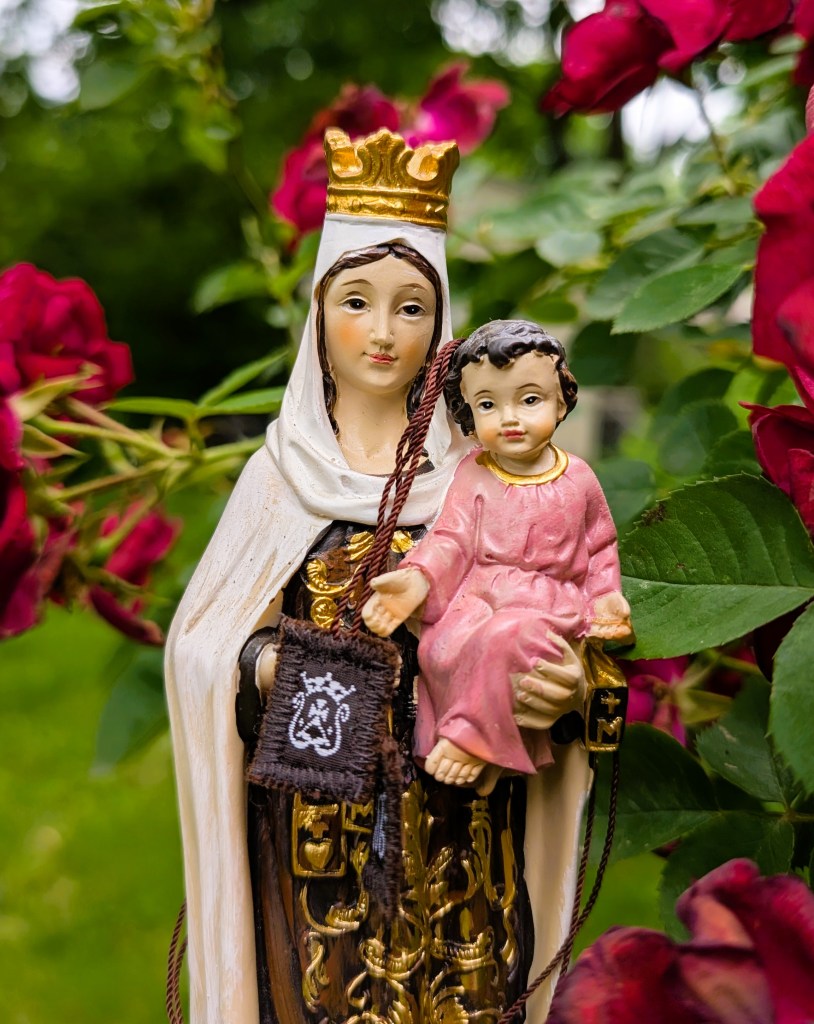
Our Lady of Mount Carmel
“In their journey towards the “mountain of God, Christ the Lord”, the various generations of Carmel, from the beginning until today, have sought to model their lives on Mary’s example.
In Carmel therefore and in every soul moved by tender affection for the Blessed Virgin and Mother, there has thrived a contemplation of her, who from the beginning knew how to open herself to hearing God’s Word and to obeying his will. For Mary, taught and formed by the Spirit, was able by faith to understand her own history and, docile to the divine promptings, “advanced in her pilgrimage of faith, and faithfully persevered in her union with her Son unto the cross, where she stood, in keeping with the divine plan, enduring with her Only-begotten Son the intensity of his suffering and associating herself with his sacrifice in her mother’s heart”.
– St. Pope John Paul II
Do you read ‘Divine Intimacy‘? Here is a Calendar of Readings


Notable Carmelites

St. Teresa of Avila (1515-1582) was a Spanish Carmelite nun, mystic, and author. After a profound spiritual experience around 1555, she reformed the Carmelite Order, founding the Discalced Carmelites to restore a stricter, more contemplative way of life. Despite opposition and poor health, she established numerous convents throughout Spain. Her influential writings, including The Interior Castle and The Life of Teresa of Jesus, are masterpieces of Christian mysticism. She was declared a Doctor of the Church in 1970, one of only four women to hold this title.
St. John of the Cross (1542-1591) was a Spanish Carmelite friar, mystic, and poet. Born Juan de Yepes, he collaborated closely with St. Teresa of Avila in her reform of the Carmelite Order, aiming to restore a life of stricter observance, poverty, and intense prayer. His efforts led to significant opposition and even imprisonment, during which he composed some of his most profound mystical poetry. His major works, including The Dark Night of the Soul, Ascent of Mount Carmel, and Spiritual Canticle, are cornerstones of Christian mysticism and Spanish literature. He was declared a Doctor of the Church in 1926, recognized for his deep insights into the soul’s journey toward union with God.


St. Thérèse of Lisieux (1873-1897), born Marie Françoise-Thérèse Martin in France, was a Carmelite nun who became widely known as “The Little Flower.” She entered the convent at age 15 and lived a hidden, outwardly unremarkable life. Her spiritual teachings, articulated in her autobiography Story of a Soul, emphasized her “Little Way” – achieving holiness through simple, everyday acts done with extraordinary love and childlike trust in God. Despite suffering greatly from tuberculosis, she maintained profound faith. Canonized in 1925, she was declared a Doctor of the Church in 1997, recognized for the profound impact of her spirituality on millions worldwide.
St.Teresa Benedicta of the Cross (Edith Stein, 1891-1942), born into a Jewish family in Germany, was a brilliant philosopher and a student of Edmund Husserl, a founder of phenomenology. After reading the autobiography of St. Teresa of Avila, she converted to Catholicism in 1922, eventually becoming a Discalced Carmelite nun in 1933, taking the name Teresa Benedicta of the Cross. Despite the growing Nazi threat, she continued her philosophical and spiritual writings. In 1942, she was arrested by the Gestapo due to her Jewish heritage and died in the gas chambers of Auschwitz. Canonized in 1998, she is revered as a martyr and a patroness of Europe.


St. Simon Stock (c. 1165-1265) was an English Carmelite friar and an early Prior General of the order. While historical details of his life are scarce, tradition holds that he was a hermit from a young age. He played a significant role in the Carmelite Order’s transition from hermits to mendicant friars in Europe. St. Simon Stock is most famously associated with the popular devotion of the Brown Scapular, which tradition states he received from the Blessed Virgin Mary in a vision, with a promise of salvation for those who faithfully wear it. He died in Bordeaux, France, and his feast day is May 16.
– Image: window at Church of Our Lady of The Assumption and The English Martyrs
Saints Louis (1823-1894) and Zélie Martin (1831-1877) were a French married couple, best known as the parents of St. Thérèse of Lisieux. Both initially sought religious life but were discerned to be called to marriage. Louis was a watchmaker, and Zélie a lacemaker, and they ran a successful business while raising nine children, though four died in infancy. They fostered a deeply Catholic home, prioritizing prayer, Mass, and charity. Zélie died of breast cancer, leaving Louis to raise their five surviving daughters, all of whom entered religious life. They were canonized together in 2015, the first married couple to be jointly recognized as saints.
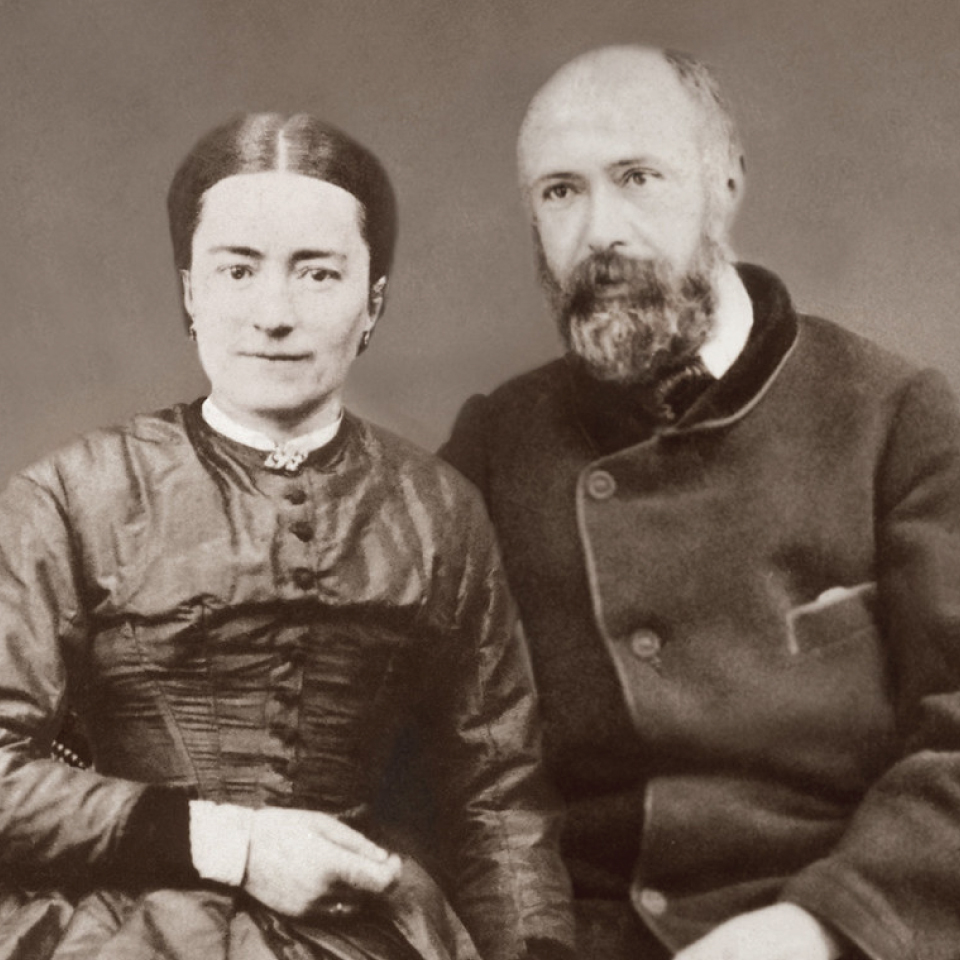

Teresa of St. Augustine (born Marie-Madeleine-Claudine Lidoine, 1752-1794) and her fifteen Companions were Discalced Carmelite nuns from Compiègne, France. During the escalating French Revolution, they offered their lives as a sacrifice for peace in France and for the Church. Despite being forced from their monastery in 1792, they continued to live a communal life of prayer in secret. Arrested in 1794, they were condemned to death for their fidelity to their religious vows. On July 17, 1794, they bravely went to the guillotine in Paris, singing hymns and renewing their vows. Their martyrdom, which occurred just ten days before the end of the Reign of Terror, is often credited with bringing about its conclusion. They were beatified in 1906 and recently canonized in 2024.
St. Henry de Osso y Cervello (1840-1896) was a Spanish priest and founder, deeply inspired by St. Teresa of Avila. Ordained in 1867, he dedicated his life to catechesis and the education of youth, particularly women. He founded the Society of St. Teresa of Jesus in 1876, a congregation devoted to educating women in the spirit of St. Teresa. A prolific writer and preacher, he sought to spread the knowledge and love of Jesus through his works and apostolate. Despite facing challenges and misunderstandings, his unwavering faith and zeal led to the widespread influence of his congregation. He was canonized by Pope John Paul II in 1993.

St. Mary of Jesus Crucified (1846-1878), born Mariam Baouardy in Galilee, was a Discalced Carmelite nun known for her extraordinary mystical gifts. Orphaned young, she experienced visions and the stigmata from a young age. Despite being uneducated, she displayed profound theological insights. She helped establish Carmelite monasteries in India and, notably, in Bethlehem, where she died at 32. Affectionately called “The Little Arab,” she is a powerful witness to the supernatural and a saint who bridged Eastern and Western spirituality. She was canonized in 2015.
St. Teresa Margaret of the Sacred Heart of Jesus (1747-1770), born Anna Maria Redi, was an Italian Discalced Carmelite nun. From a noble family, she entered the convent in Florence at age 17, deeply inspired by St. Teresa of Avila. Her short life was marked by profound humility and an intense, hidden devotion to the Sacred Heart of Jesus, summarized by her frequent phrase, “God is love.” She served diligently as the community’s infirmarian, caring for her sisters with great charity. She died suddenly at the age of 22, leaving behind a legacy of profound interior life and love for God. She was canonized in 1934.

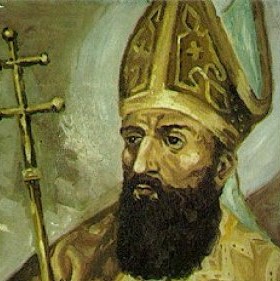
St. Albert of Jerusalem (c. 1149-1214) was an Italian-born canon lawyer, bishop, and Patriarch of Jerusalem. Appointed to the prestigious patriarchal see in 1205, he became a key figure in the Holy Land. He is most renowned for drafting the “Rule of St. Albert,” a foundational document that provided a way of life for the hermits living on Mount Carmel, which later became the official Rule for the Carmelite Order. Albert was a skilled mediator and peacemaker in a turbulent era, serving as a papal legate and resolving disputes. He was tragically assassinated in Acre in 1214. His feast day is September 14.
St. Raphael of St. Joseph (1835-1907), born Józef Kalinowski in Polish Lithuania, was a former military engineer who became a Discalced Carmelite priest. After participating in the Polish uprising against Russia, he endured ten years of forced labor in Siberia, where his deep faith and compassion shone. Upon his release, he became a tutor, notably to Blessed August Czartoryski, before entering Carmel at age 42. He was instrumental in restoring the Carmelite Order in Poland, serving as prior and a renowned confessor. His life was marked by fervent prayer, zeal for Church unity, and devotion to the Virgin Mary. He was canonized in 1991.
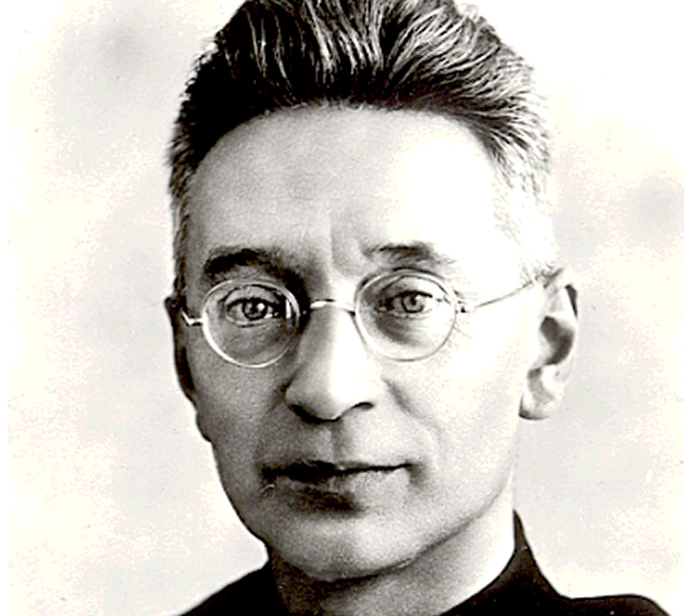
Bl. Titus Brandsma (1881-1942) was a Dutch Carmelite priest, philosopher, and journalist. A professor of philosophy and mysticism at the Catholic University of Nijmegen, he was deeply committed to Catholic education and the press. During the Nazi occupation of the Netherlands, he actively resisted Nazi ideology, particularly its anti-Semitic propaganda, and encouraged Catholic newspapers to refuse to print it. Arrested in 1942, he endured severe treatment in various prisons and concentration camps, including Dachau, where he continued to offer spiritual support to fellow prisoners. He died by lethal injection in Dachau in 1942, a martyr for his faith and defense of truth. He was beatified in 1985 and canonized in 2022.
Bl. John Soreth (c. 1394-1471) was a French Carmelite friar and a pivotal Prior General of the Order. Born near Caen, he held various leadership roles before his election as Prior General in 1451. He tirelessly reformed the Carmelite Order, traveling extensively to restore observance and promoting a more faithful living of their Rule. Soreth was also instrumental in formally establishing Carmelite communities for women (the Second Order) and played a significant role in developing the Lay Carmelite Third Order. His efforts were crucial in strengthening the Order during a challenging period. He died in Angers, France, and was beatified in 1866.


Bl. Anne of St. Bartholomew (1549-1626) was a Spanish Discalced Carmelite nun, and a close companion and secretary of St. Teresa of Avila, in whose arms St. Teresa died. Born Ana García Manzanas, she entered the newly founded Discalced Carmelite monastery in Ávila. Though a lay sister who couldn’t read or write Latin, St. Teresa taught her, and she became a vital assistant. After Teresa’s death, Anne played a crucial role in spreading the Carmelite reform to France and the Low Countries, founding monasteries in Pontoise, Tours, and Antwerp. She was highly revered for her holiness and the many miracles attributed to her intercession. She was beatified in 1917.
Bl. Marie-Eugène of the Child Jesus (1894-1967), born Henri Grialou, was a French Discalced Carmelite priest, spiritual writer, and founder. After serving in World War I, he entered Carmel and was profoundly influenced by St. Thérèse of Lisieux and St. John of the Cross. He founded the Secular Institute of Notre-Dame de Vie, seeking to bring the contemplative spirit of Carmel into the lay apostolate. A renowned spiritual director and author, his major work I Want to See God is a comprehensive synthesis of Carmelite spirituality. He held various leadership roles within his Order and traveled extensively, promoting a deeper understanding of prayer. He was beatified in 2016.
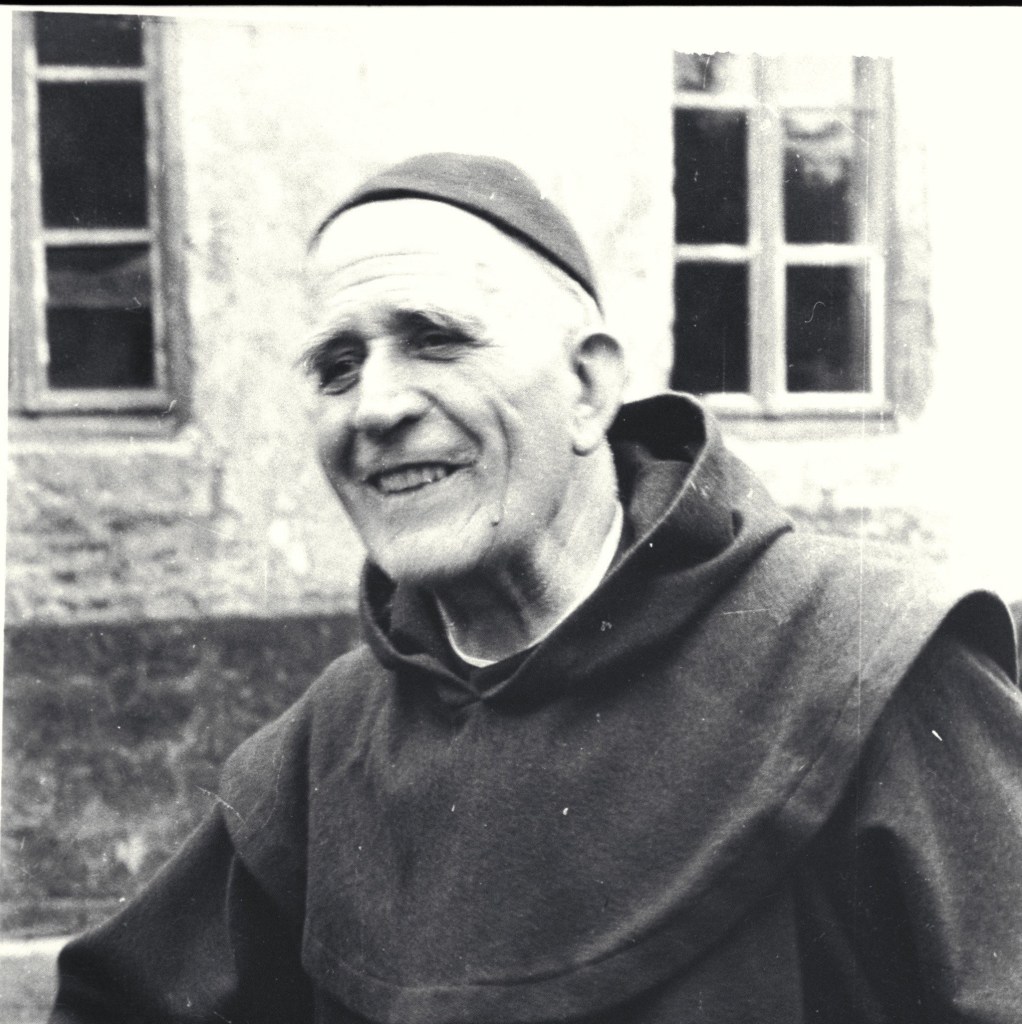
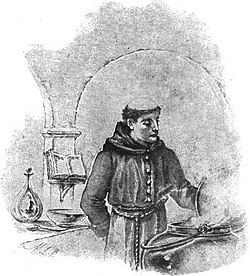
Brother Lawrence of the Resurrection (c. 1611-1691), born Nicolas Herman, was a French Discalced Carmelite lay brother. He is renowned for his spiritual classic, The Practice of the Presence of God, a collection of his letters and conversations. As a cook and later a sandal-maker in his Paris monastery, he sought to cultivate a constant awareness of God’s presence in all ordinary activities. His simple, profound spirituality emphasized finding holiness not through grand gestures, but through performing daily tasks with love and attentiveness to God. Though never formally canonized, his humble witness and teachings have greatly influenced Christians across denominations for centuries.
St. Elijah, though an Old Testament prophet (9th century BC), is considered the spiritual father and “Founder” of the Carmelite Order. Carmelites see him as a model of contemplation, dwelling “always in the presence of God,” and zealous action for the Lord. His prophetic stand against false gods on Mount Carmel, the birthplace of the Order, profoundly shaped Carmelite identity. His solitary life, fervent prayer, and defense of true worship embody the Carmelite charism of seeking God in solitude and actively serving His people. Carmelites celebrate his feast day on July 20.

 STL OCDS